
 Get a Quote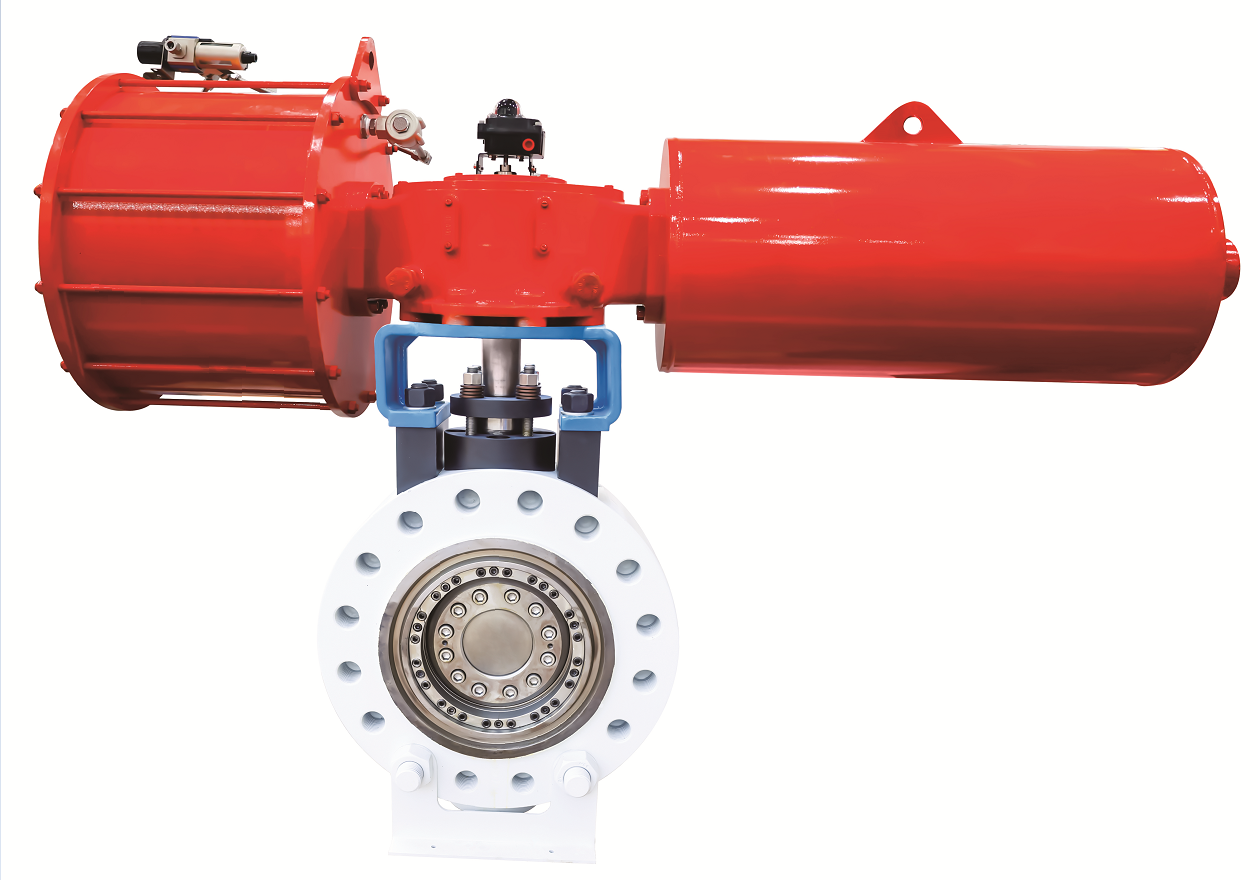
Core Parameters
Implementation Standard
Design and manufacturing standard: API 609
Structural length standard: ASME B16.10
Flange standard: ASME B16.5
Inspection and testing standard: API 598
Technical specifications
Caliber range: 2"~64";
Pressure range: CL150~CL1500;
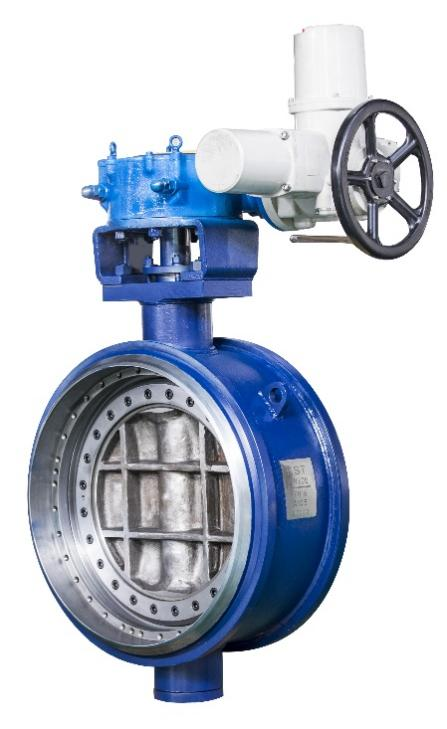
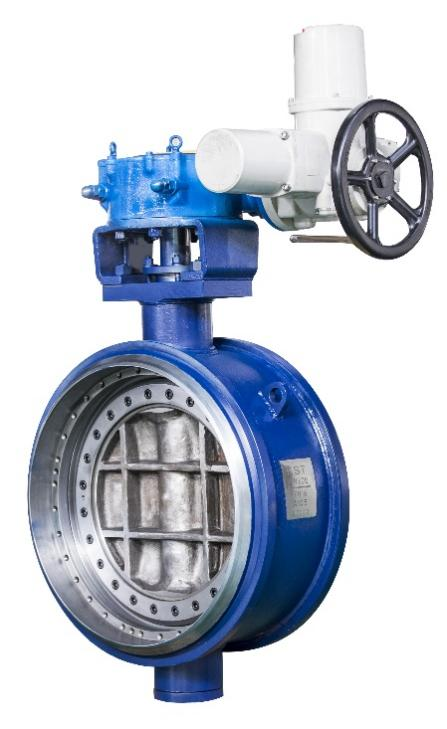
Model: flange D43Y, wafer D73Y;
Materials: carbon steel, heat-resistant steel, stainless steel, nickel-based alloy, titanium alloy, etc;
Sealing surface form: hard-on-hard metal seal, multi-layer metal seal;
Temperature range: normal temperature type -29~350℃, high temperature type -29~600℃;
Connection methods: wafer, flange, lug, etc
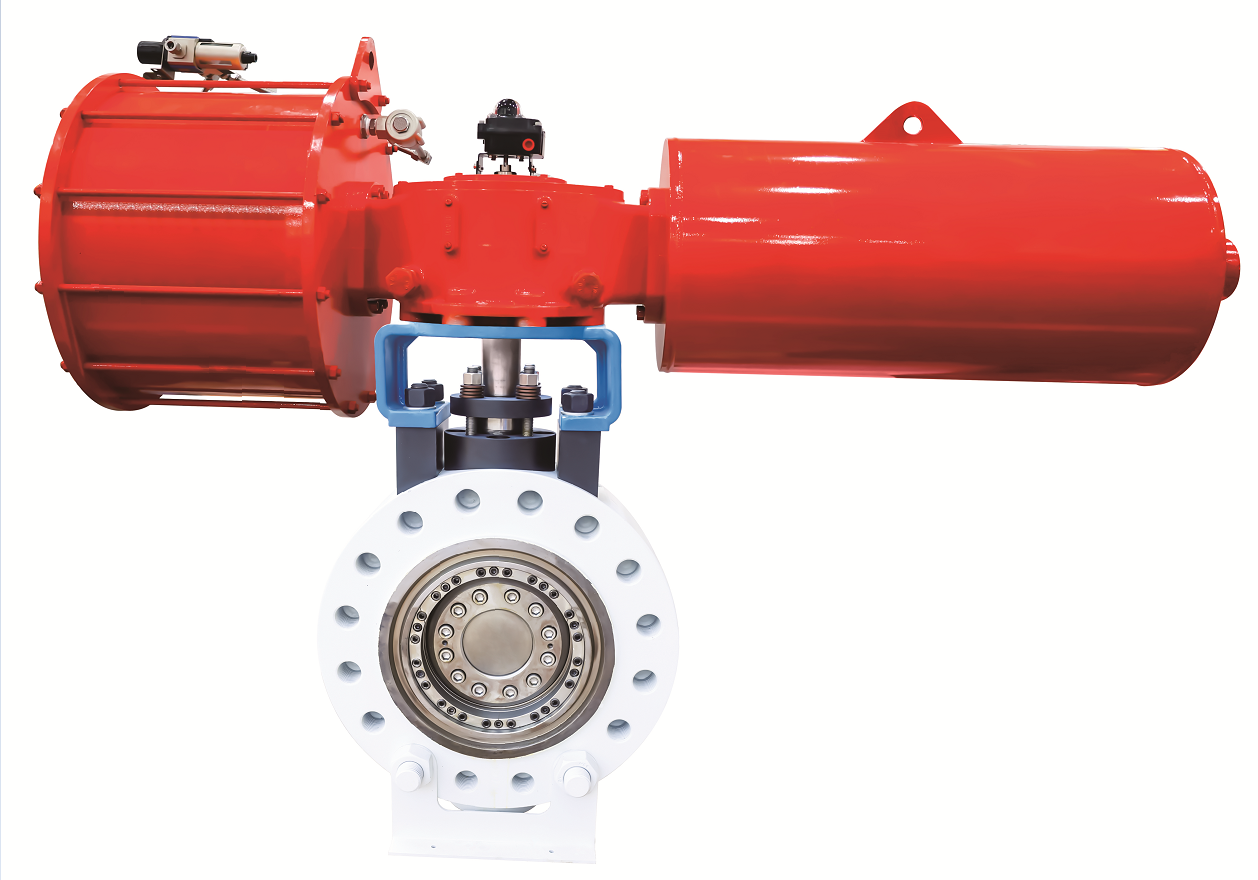
Driving mode: manual, pneumatic, electric, hydraulic, pneumatic-hydraulic linkage, etc.
Technical Features
1. The four-dimensional eccentric design is adopted. In addition to the valve body eccentricity A and valve seat eccentricity B, there are also two sealing structures with special oblique conical elliptical angle eccentricities (C and D). These four eccentric combinations enhance the cam effect, enabling the butterfly plate to separate when opened and seal when closed. The valve seat and valve plate have almost no friction during the opening and closing process, which not only reduces the valve operating torque but also extends the service life.
2. The butterfly valve design features a movable valve seat and a movable sealing ring. Depending on the working conditions, multi-layer composite sealing rings or pure metal sealing rings can be selected. The sealing rings and valve seats are designed and processed in a modular manner, allowing for on-site replacement or maintenance. All sealing components have positioning holes, making replacement easy without requiring special tools or techniques. For butterfly valves with other body-surfacing valve seats, damage to the sealing surface can lead to the overall scrapping of the valve and necessitate its removal.
3. The sealing surface of the valve seat adopts the latest supersonic spray welding or stainless steel nitriding technology, with a surface hardness of HRC 40-65. The high-hardness and high-wear-resistant sealing surface effectively resists wear and erosion caused by particles such as particles, molecular carriers, silica, ceramic particles, and dust in the medium.
4. The hardness difference between the valve seat and the sealing ring is crucial in a three-eccentric butterfly valve. Sealing pairs made of ordinary stainless steel exhibit almost no hardness difference, resulting in scratching after just a few cycles under working pressure. We design the hardness difference of the sealing pair to be at least HRC10 or more, effectively eliminating wear and scratching, which is a key factor in sealing performance.
5. The valve seat and sealing ring are ground and polished using a special fixture and a high-speed diamond grinding wheel at 18,000 rpm. After processing, the surface finish reaches a mirror-like level, meeting the bubble-tight zero leakage requirement upon closure.
6. Essential fireproof design.
7. Under the working conditions of fugitive media, a low-leakage carbon fiber bowl-type combined packing structure can be adopted to meet the requirements specified in ISO15848 and API622 standards.
8. The valve stem is made of high-strength steel, and the inner end of the bearing is extended to provide maximum support for the valve stem, which greatly improves the valve's lifespan and operational performance.
9. Designed to prevent the valve stem from flying out.
10. Equipped with ISO 5211 standard connection plates, it can be installed with remote control mechanisms such as pneumatic devices, electric devices, and pneumatic-hydraulic linkage devices for automated control systems.